Start With Cash Flow
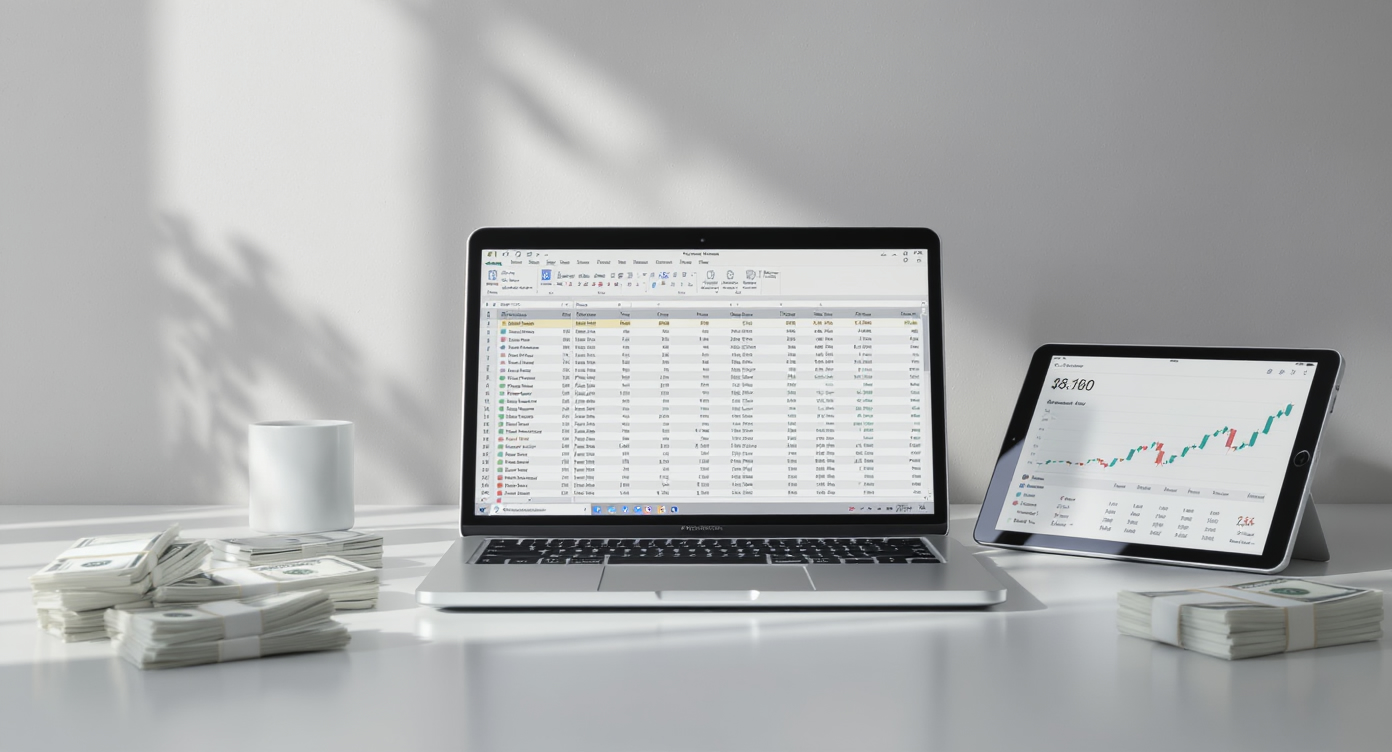
Before chasing investment returns or fancy budgeting methods, understand where your money actually goes. Track your income, fixed expenses, and variable spending for at least one full month. Fixed costs include rent, loan payments, utilities, and essential transport. Variable costs cover dining out, shopping, entertainment, and convenience spending.
Once you see the full picture, build a budget that matches your reality. A rigid template may look neat on paper, but a practical budget is more likely to survive the month.
Protect Yourself With an Emergency Fund
An emergency fund remains one of the most important parts of personal finance. In 2026, financial products are more accessible than ever, but easy access to investing should not replace a cash buffer. Unexpected medical bills, job changes, or urgent repairs can force people into debt when they have no reserve.
Aim to keep three to six months of essential expenses in a liquid account or similarly safe place. That cushion gives you breathing room and helps you avoid selling investments at the wrong time.
Invest With a Clear Purpose
Investing works best when it is tied to a goal. Without a purpose, people often buy whatever is trending and ignore risk. In 2026, that behavior is still one of the fastest ways to make avoidable mistakes. Before investing, decide whether the money is meant for long-term growth, a future purchase, or retirement planning.
Match the asset to the timeline. Shorter goals usually need lower volatility, while long-term goals can tolerate more ups and downs. Diversification matters too, because putting everything into one asset class increases risk unnecessarily.
Cut the Small Leaks
The biggest money problems are not always dramatic. More often, they come from small leaks that repeat every week. Unused subscriptions, impulsive food delivery, and constant upgrade spending can quietly drain your budget.
Review your expenses regularly and remove anything that does not add real value. Even a few trimmed categories can free up meaningful money for savings, investments, or debt reduction.
Make Money Habits Automatic
The easiest financial plan is the one that runs without daily willpower. Automate transfers to savings, set bill reminders, and create a simple monthly review. When good decisions happen by default, you are less likely to drift off course.
Personal finance in 2026 is not about being perfect. It is about building a stable structure that makes good choices easier to repeat.