Choose Furniture With the Right Scale
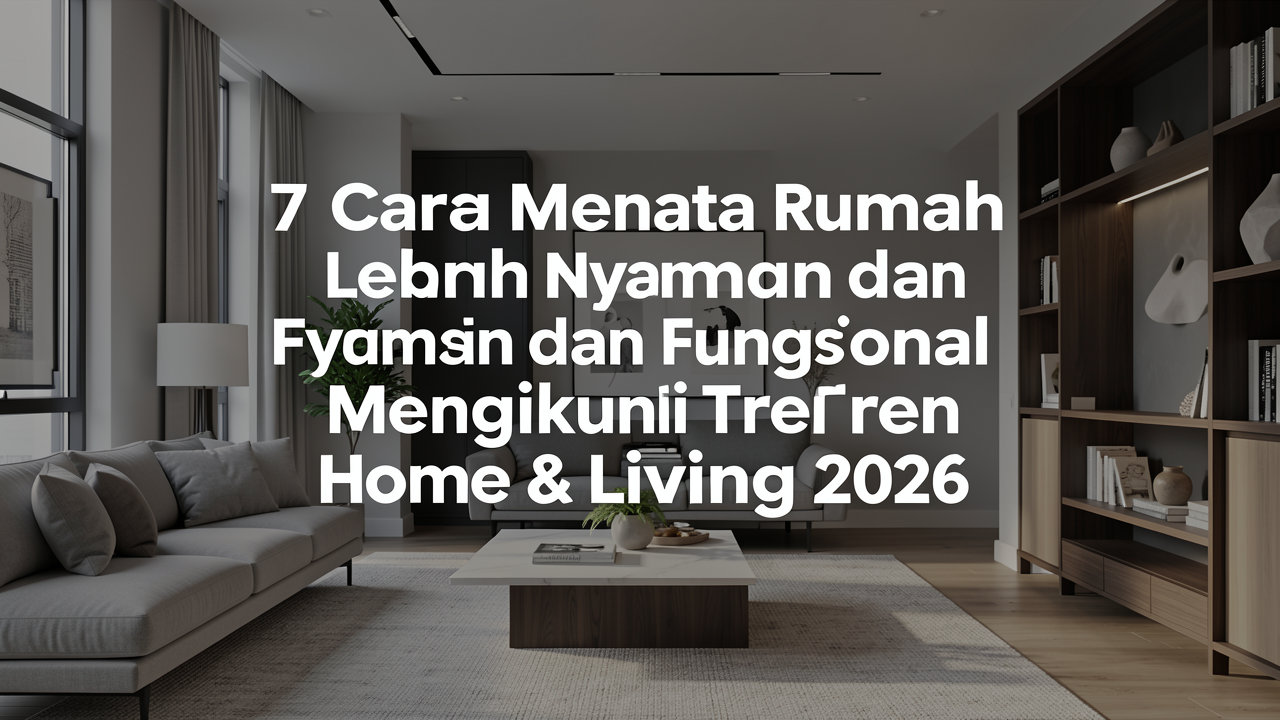
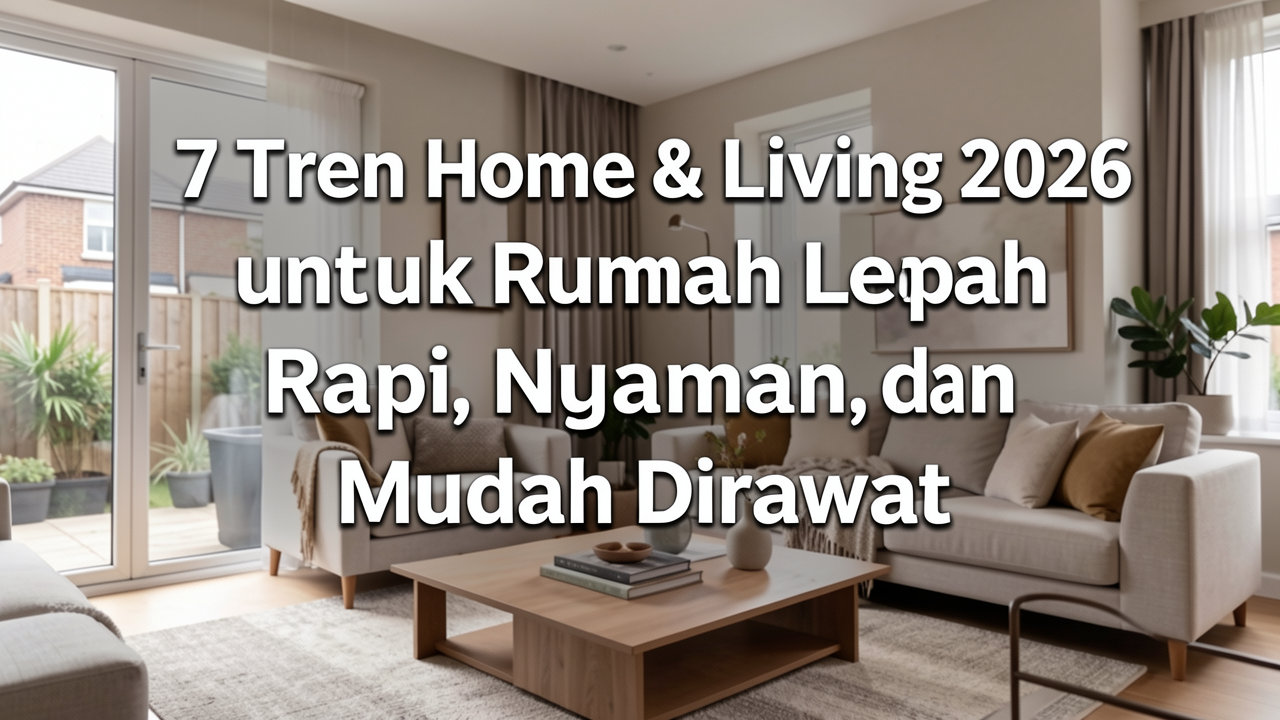
The first rule is simple: match the furniture to the size of the room. A large sectional may look attractive in a showroom, but it can overwhelm a small living area. Instead, choose a slim two-seater or a compact sofa with clean lines. Pieces with visible legs often work well because they create a lighter visual effect and allow the floor to remain visible.
Multi-purpose furniture is also worth considering. A coffee table with storage, a bench that doubles as seating, or a foldable side table can help reduce clutter while keeping the room practical. In a small space, every item should earn its place.
Use Light Colors and Smart Lighting
Color plays a major role in how spacious a room feels. Soft neutrals such as white, cream, light gray, and beige help reflect light and make the space feel more open. That does not mean the room has to look plain. You can add personality through throw pillows, a textured rug, or a few carefully chosen wall accents.
Lighting matters just as much as color. Natural light is ideal, so keep window treatments light and airy if possible. In the evening, combine a main ceiling light with a floor lamp or table lamp to create warmth and depth. Good lighting can change the entire mood of a room.
Decorate With Intention
Decor is important, but too much of it can make a small room feel crowded. Focus on a few strong pieces instead of filling every surface. A large mirror, for example, can make the room appear wider by reflecting light and opening up the visual field. One framed artwork or a medium-sized plant can also add character without overwhelming the layout.
The goal is balance. A small living room does not need many decorations to feel complete. It needs the right ones placed with purpose.
Keep the Room Tidy
No design trick works well if the room is constantly cluttered. Make storage part of the layout from the start. Use baskets, hidden compartments, or a cabinet for remote controls, magazines, and other small items. When surfaces stay clear, the room naturally feels more spacious.
A well-designed small living room is not about pretending it is larger than it is. It is about making smart choices that improve comfort, flow, and appearance. With the right furniture, thoughtful color choices, selective decor, and consistent organization, a minimalist living room can feel calm, stylish, and much bigger than its actual size.