Multi-purpose spaces are taking over
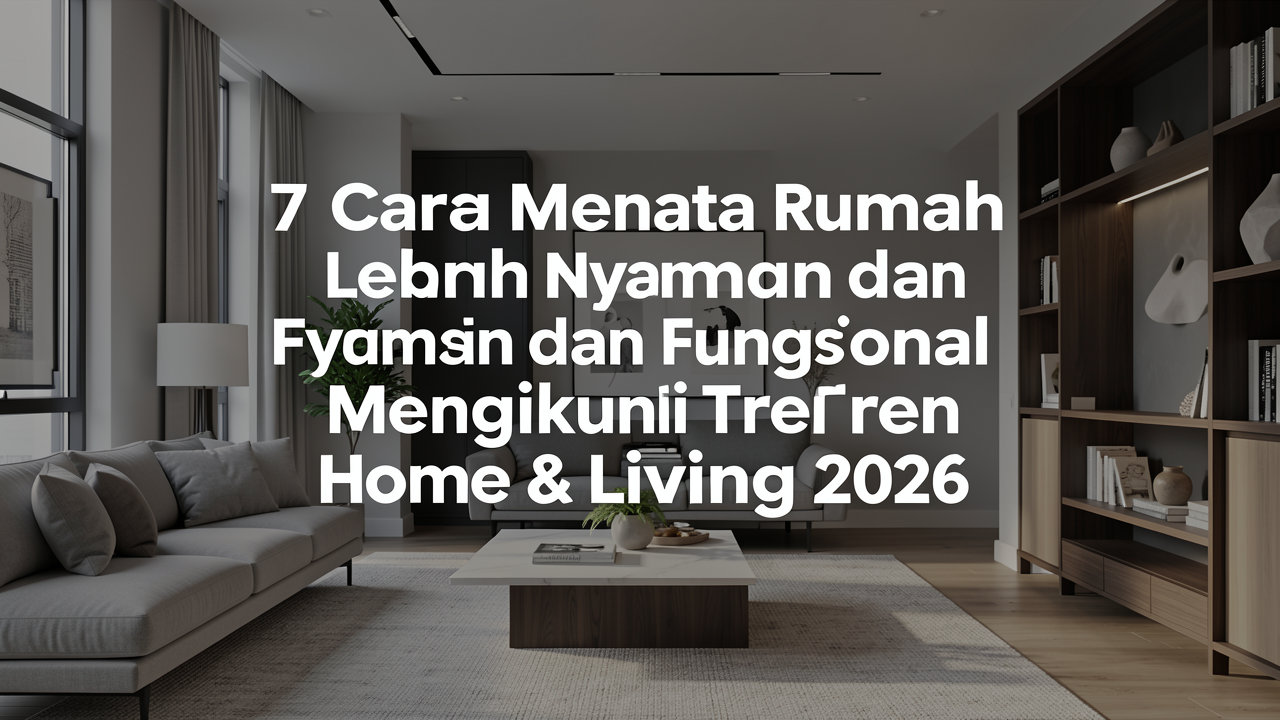
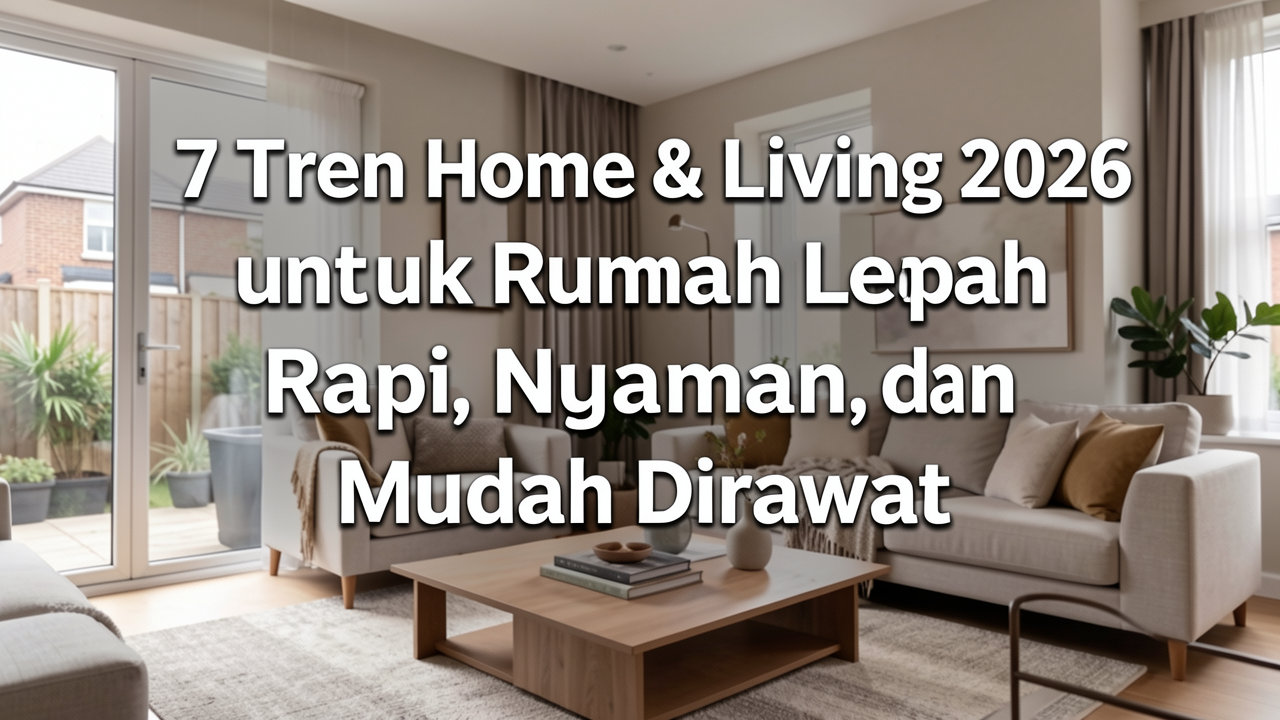
One of the clearest directions in 2026 home design is flexibility. A living room may also serve as a light work zone, a bedroom can be arranged for better rest, and even a small corner can become a reading nook or relaxation spot. Modular furniture, foldable tables, open shelving, and hidden storage are increasingly popular because they make everyday life easier and more efficient.
Natural materials keep their appeal
Warm, grounded interiors remain a strong favorite this year. Materials such as wood, rattan, linen, cotton, and softly textured stone are widely used to create rooms that feel more organic and inviting. Neutral palettes still lead the way, but they are often paired with earthy accents like light brown, olive, and beige to add character without overwhelming the space.
Decor that looks good and works hard
Home decor in 2026 is becoming more intentional. Instead of filling a room with many accessories, people are choosing pieces that serve a real purpose. A table lamp that also acts as a statement item, a large mirror that opens up the room, simple vases, and subtly patterned rugs are all common choices. The idea is straightforward: every object should earn its place.
Smarter habits for long-term comfort
Beyond appearance, home & living trends are also shaped by more mindful routines. Many homeowners now prefer products that last longer, clean easily, and do not feel outdated quickly. This approach helps keep rooms looking tidy over time and reduces the need for frequent replacements. It is a practical way to build a home that stays comfortable, stylish, and relevant to daily life.
The direction for 2026 is clear: homes should feel beautiful, but also make sense for the way people actually live.