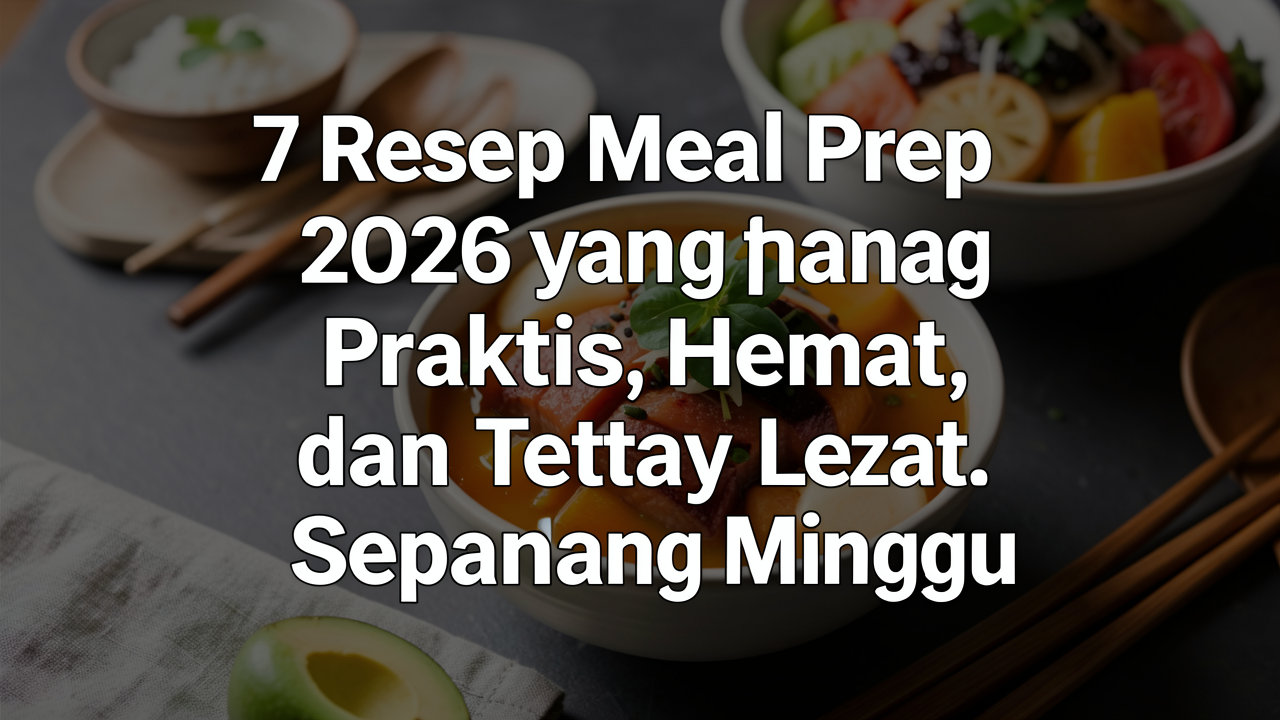
1. Build Every Meal from Four Parts
Start with a simple formula: one protein, one carbohydrate, two vegetables, and one sauce. Good protein choices include roasted chicken, boiled eggs, tofu, tempeh, tuna, or beans. Rice, potatoes, sweet potatoes, pasta, and quinoa can all serve as filling bases.
Keep the components separate when possible. The same roasted chicken and vegetables can become a teriyaki rice bowl, a lemony salad, or a tortilla filling. Changing the sauce is often enough to make a familiar ingredient feel like a new meal.
2. Seven Easy Menus to Rotate
Try a garlic chicken bowl with broccoli; overnight oats with banana, yoghurt, and nuts; tuna pasta salad with sweet corn; tempeh stir-fry with rice; lentil soup for a warming lunch; egg muffins with spinach and bell pepper; or baked potatoes topped with shredded chicken and yoghurt sauce.
A sheet-pan method can reduce preparation time. Roast chicken, potatoes, and vegetables together while boiling eggs and mixing a dressing. Once everything has cooled, divide the ingredients into containers. You can prepare several meal components in one kitchen session without relying on complicated techniques.
3. Storage Tips That Protect Texture
Let cooked food cool before sealing the containers. Use divided boxes when crisp vegetables or toppings need to stay separate from moist ingredients. Store dressings, nuts, herbs, and crunchy toppings in small containers and add them just before serving.
Label each container with the cooking date and its contents. Keep the most perishable meals at the front of the refrigerator so they are used first. If you will not eat a portion soon, freeze ingredients that handle freezing well, such as cooked grains, soups, and roasted proteins.
Mistakes to Avoid
Do not prepare more servings than your actual schedule requires. Mixing every sauce into the food at once can create soggy textures, while repeating one flavor all week may reduce your motivation to eat at home. A practical 2026 meal prep routine should leave room for variety, leftovers, and occasional cooking on the day. With a few reliable ingredients and two or three sauces, healthy weekday meals become faster, easier, and more enjoyable.