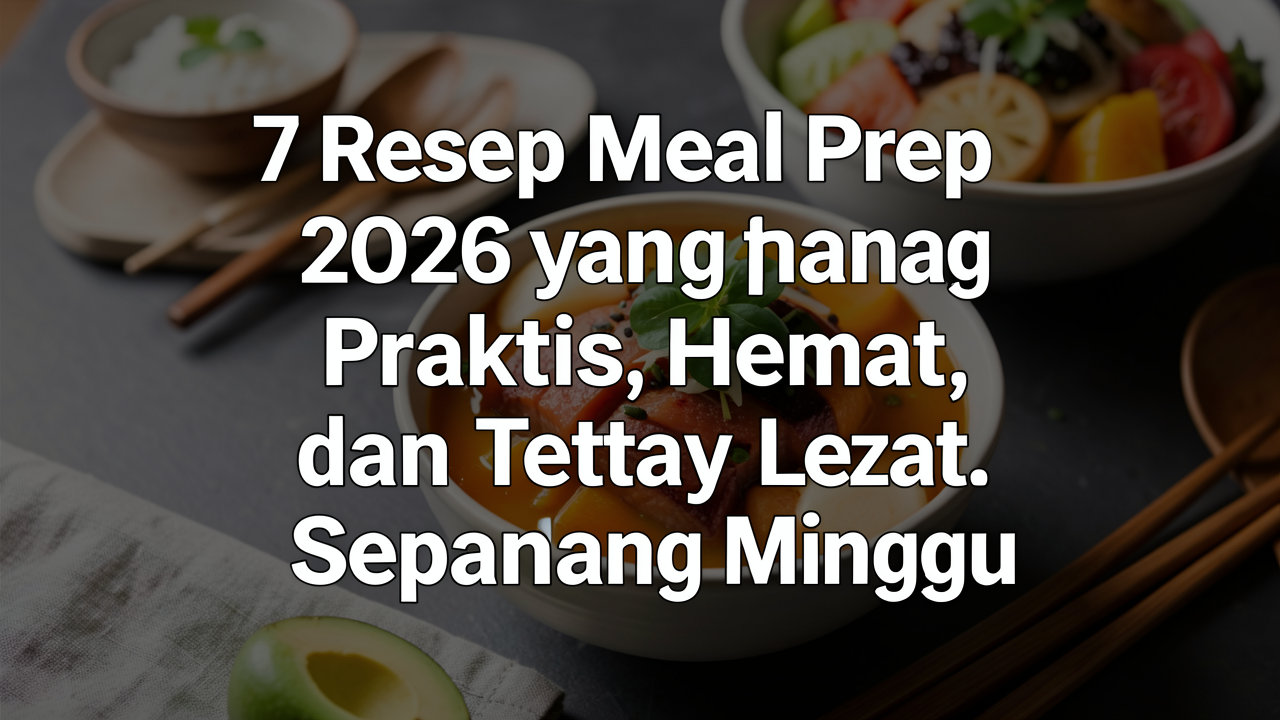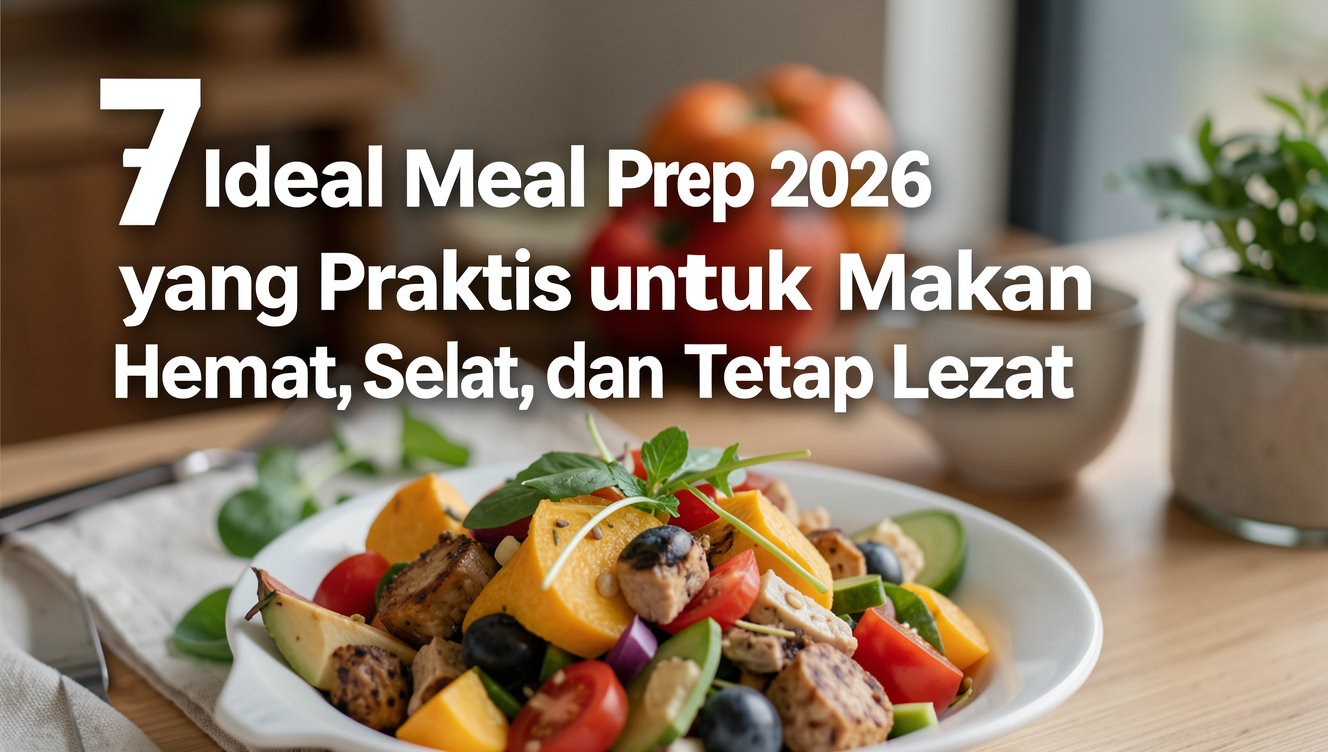
Why Meal Prep Still Works in 2026
Meal prep does not have to mean eating identical food every day. The goal is to prepare a few ingredients or complete dishes in advance, so busy weekday meals require less effort. A simple routine can also make grocery shopping more focused, reduce last-minute takeout, and help you build balanced portions without overcomplicating the kitchen.
The most useful approach is to choose flexible ingredients. Cooked grains, eggs, chicken, tofu, frozen vegetables, and two or three versatile sauces can create several different meals. This keeps the grocery list manageable while giving you enough variety to avoid menu fatigue.
1. Roasted Chicken Rice Bowls
Marinate chicken thighs or breast with soy sauce, garlic, black pepper, and a small amount of honey. Roast or pan-cook until fully done, then portion it with rice, carrots, green beans, and corn. Store the sauce separately if possible, since it helps the vegetables stay crisp. Add fresh herbs or sliced cucumber when serving for a brighter finish.
2. Overnight Oats for Busy Mornings
Combine oats, milk, yoghurt, chia seeds, and sliced banana in a sealed container. Refrigerate overnight and add nuts or fresh fruit before eating. Prepare different flavors, such as apple-cinnamon, chocolate-banana, or mango-coconut, so breakfast feels varied. Overnight oats are especially useful when you need a portable meal that requires no morning cooking.
3. Tofu, Egg, and Vegetable Stir-Fry
Crumble tofu into a hot pan and cook it with eggs, garlic, spring onions, and vegetables such as cabbage, peppers, or spinach. Season with soy sauce and a little sesame oil. The mixture works with rice, noodles, or whole-wheat wraps, making it easy to turn one batch into several different lunches.
Storage Tips for Better Texture
Let cooked food cool briefly before sealing containers, but avoid leaving it at room temperature for an extended period. Keep wet toppings, dressings, and sliced tomatoes separate from grains and roasted vegetables. Refrigerate the portions you will eat soon and freeze the rest when appropriate. Before reheating, check the food for unusual smell, texture, or appearance.
Start with two or three recipes instead of preparing every meal for the entire week. A smaller routine is easier to maintain, gives you room for spontaneous meals, and helps you learn which dishes actually fit your schedule.