Why Battery Care Still Matters
Electric vehicles are becoming easier to live with in 2026, but the battery remains the most important component to protect. It affects driving range, charging time, resale appeal, and ownership cost. Modern battery management systems handle much of the work automatically, yet daily habits still influence long-term performance.
Battery capacity naturally declines as a vehicle ages and completes more charging cycles. That gradual change is expected. The goal is not to prevent every percentage of degradation, but to avoid unnecessary stress caused by extreme temperatures, prolonged high charge levels, and inefficient driving patterns.
1. Set a Sensible Daily Charge Limit
For regular commuting, an 80 percent charge limit is often a practical starting point when it matches the manufacturer’s guidance. Charging to 100 percent makes sense before a long trip, but leaving the vehicle at full charge for extended periods is usually unnecessary.
It is also wise to avoid repeatedly running the battery almost empty. Keep a reasonable reserve, particularly when driving in areas with limited charging access. Always follow the vehicle manual because battery chemistry and recommended limits can differ between models.
2. Reduce Heat Stress and Use Fast Charging Strategically
High temperatures can affect charging speed and battery efficiency. Whenever possible, park in a shaded location or garage. After a demanding drive, allowing the vehicle to cool before charging may reduce thermal stress, especially in hot weather.
DC fast charging is valuable during road trips, but it does not need to be the default method for every session. Home or workplace AC charging is often more convenient for routine use, provided the electrical installation is safe and properly configured. A scheduled charging routine can also help you avoid unnecessary time at a very high state of charge.
3. Keep Software, Tires, and Driving Habits in Check
Software updates may improve energy management, thermal control, and range estimates. Pay attention to service notifications and have the vehicle inspected when warning messages appear.
Tire pressure matters as well. Underinflated tires increase rolling resistance and reduce efficiency, while aggressive acceleration and sustained high speeds consume more energy. Use regenerative braking appropriately, accelerate smoothly, and remove unnecessary cargo.
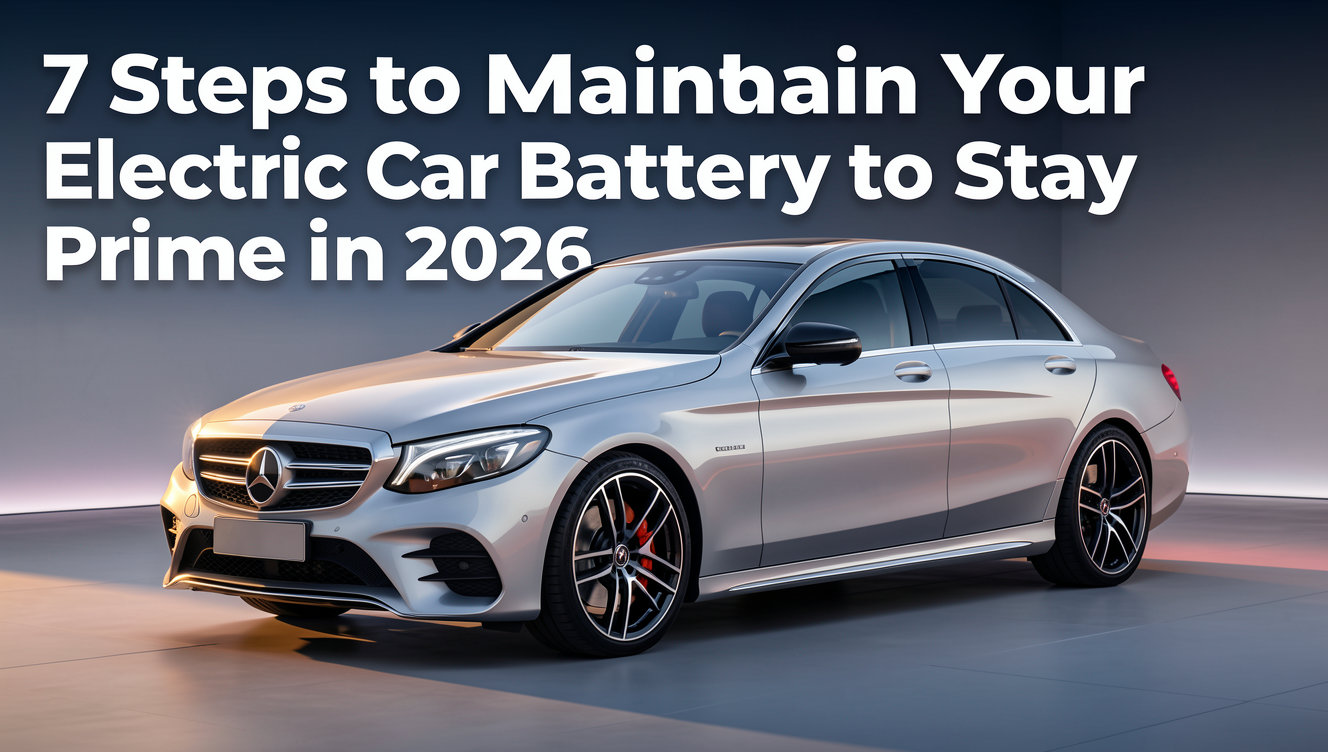
These seven habits require little extra effort, but together they can support predictable range and a healthier ownership experience throughout 2026. The most reliable reference remains your vehicle manufacturer’s maintenance and charging guidance.