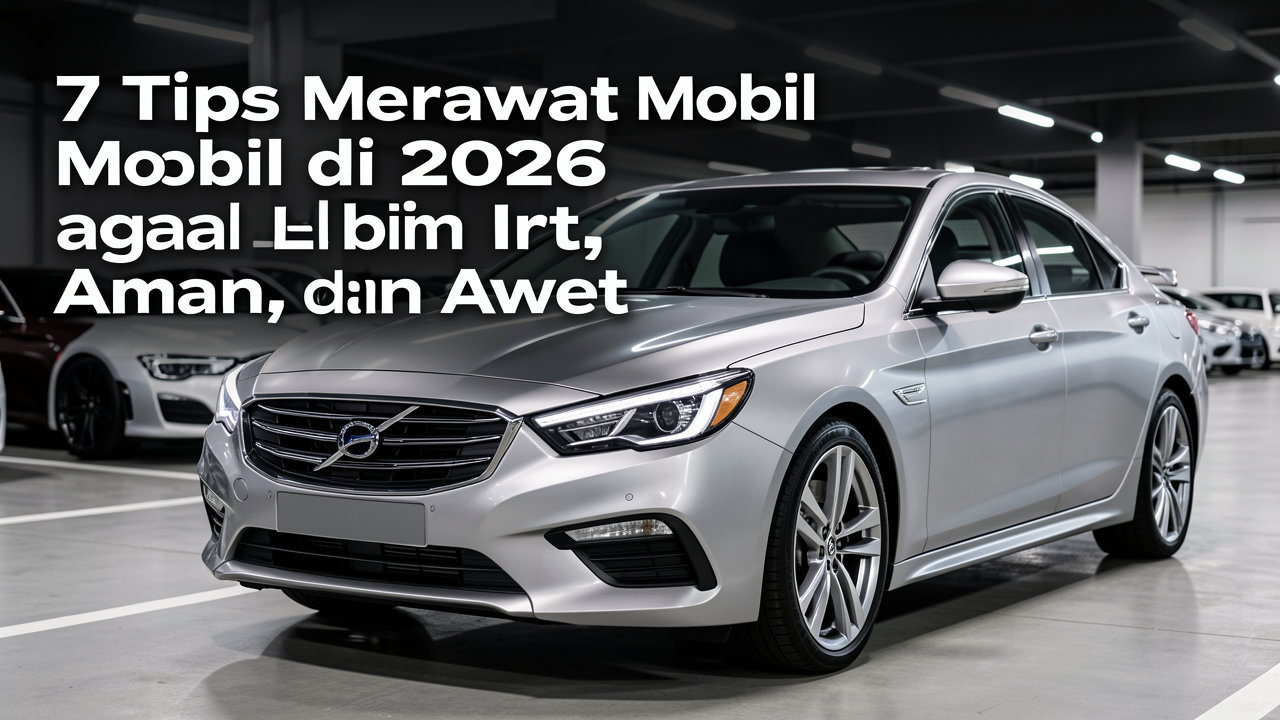
Here are six practical tips to help you choose the right car in 2026 without paying for features you may not need.
1. Start With Your Real Driving Pattern
Before comparing badges and trims, look at how you actually drive. A compact car may be enough for short city commutes, while a family SUV may make more sense if you regularly carry passengers, luggage, or child seats. If most trips are short and predictable, an electrified option could be practical. If you often drive long distances with limited charging access, a fuel-efficient gasoline or hybrid model may still be easier to live with.
The goal is to match the car to your routine, not to the most impressive brochure.
2. Prioritize Safety Features You Will Use
Modern safety technology can add real value, but only if it works smoothly. Look for automatic emergency braking, blind spot monitoring, rear cross-traffic alert, lane support, and adaptive cruise control. These features are especially useful in heavy traffic, highway driving, and crowded parking areas.
During a test drive, notice whether alerts are clear or distracting. A good system supports the driver without making the car feel nervous or unpredictable.
3. Compare Total Ownership Cost
The purchase price is only one part of the decision. Insurance, maintenance, fuel or charging cost, tire replacement, software-related fees, and resale value all matter. A cheaper car can become expensive if parts are costly or service intervals are inconvenient.
Ask for clear information about warranty coverage, service packages, battery warranty for electrified vehicles, and any connected-service fees. Predictable costs are valuable, especially if you plan to keep the car for several years.
4. Do Not Overpay for Screen Size
A large infotainment display can look impressive, but usability matters more. The best systems are fast, readable, and easy to operate while driving. Smartphone integration, physical shortcuts for climate control, voice commands, and responsive navigation are more useful than a screen packed with confusing menus.
If basic functions take too many taps, the system may become frustrating in daily use.
5. Test Comfort Like a Daily Driver
A short showroom visit is not enough. Check seat comfort, driving position, visibility, cabin noise, suspension feel, air-conditioning performance, and storage space. If you have a family, test access to the rear seats and cargo area. Small details often decide whether a car feels good after months of use.
6. Choose Features With Long-Term Value
Some options improve daily life and resale appeal, such as advanced safety systems, efficient powertrains, quality lighting, parking cameras, and flexible cargo space. Other features may be fun but less essential.
In 2026, the best car choice is the one that balances technology, comfort, efficiency, and ownership cost. Take a structured approach, test the features that matter, and avoid paying extra for equipment that does not improve your everyday drive.