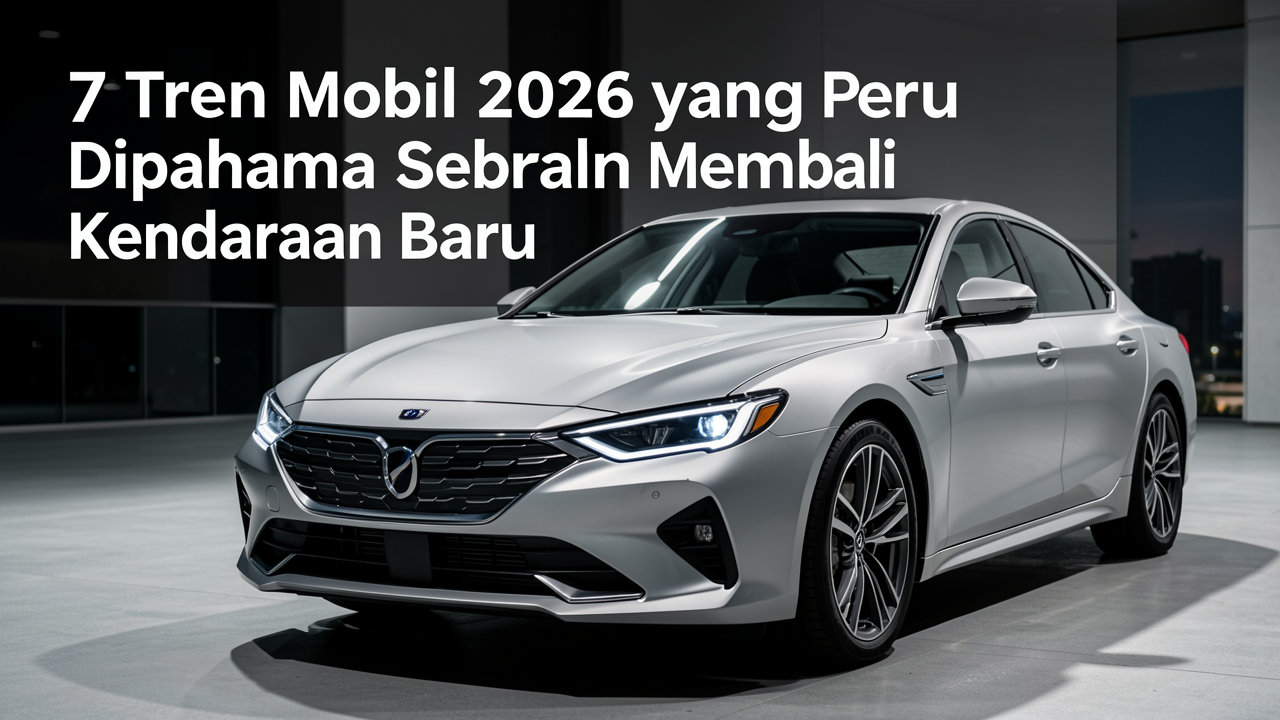
Before signing a deal, it helps to focus on what will actually matter during daily ownership.
1. Match the Powertrain to Your Routine
Electric vehicles, hybrids, plug-in hybrids, and efficient gasoline models all have a place in the 2026 market. The right choice depends on your driving pattern, charging access, commute distance, and how often you take long trips.
If you can charge at home or at work, an EV may offer strong value and a smooth driving experience. If charging is limited or your schedule includes frequent highway travel, a hybrid can be a practical middle ground. Avoid choosing a powertrain only because it feels trendy.
2. Look Beyond the Sticker Price
The cheapest car on the lot is not always the most affordable car to own. Insurance, maintenance, tire costs, energy or fuel use, registration fees, and expected resale value all affect the real cost.
Before buying, compare total ownership costs across several vehicles. A model with a higher purchase price may still be the better deal if it is efficient, reliable, and supported by a strong warranty.
3. Test the Safety Tech in Real Conditions
Driver assistance features are becoming more common in 2026, including automatic emergency braking, blind-spot monitoring, lane keeping assistance, adaptive cruise control, and parking cameras. These systems can make driving less stressful, but they should feel predictable.
During a test drive, pay attention to how alerts sound, how smoothly the car maintains speed, and whether lane assistance feels helpful or intrusive. Good safety technology should support the driver, not distract them.
4. Check the Cabin Usability
Large screens and digital dashboards can look impressive, but usability matters more than appearance. Basic controls for climate, audio, drive modes, and navigation should be easy to find while driving.
A clean interface, reliable smartphone integration, comfortable seating, and good outward visibility can make a bigger difference than flashy animations. Spend time in the cabin before making a decision.
5. Review Warranty and Service Support
As vehicles become more complex, after-sales support becomes more important. Check warranty coverage for the battery, powertrain, electronics, and software-related systems. Also consider the availability of authorized service centers in your area.
A car with advanced technology is only convenient if maintenance and support are accessible.
Final Takeaway
The smartest car purchase in 2026 is the one that fits your actual life. Focus on daily driving needs, charging or fueling access, safety features, cabin usability, warranty coverage, and long-term cost. A careful comparison now can prevent expensive regrets later.